Wild Roads, Summer Rains & Stories from the Escarpment
A Thorn Tree Bush Camp Travel Teaser
Wild Roads, Summer Rains & Stories from the Escarpment
On 20th January, we’ll be hitching up, checking mirrors, and easing out onto the road — not leaving the wild behind, just following it in a different direction.
Back at Thorn Tree Bush Camp, the fires won’t go cold. Magda and the team will keep the rhythm of the bush going, doing what they always do — lighting kettles, watching the sky, and welcoming guests the Thorn Tree way, while we wander for a bit.
For us, the wide horizons and familiar night sounds of Dinokeng will give way to rivers running full, cliffs streaked dark from summer rain, forests breathing mist, and mountains that decide — day by day — how much they’re willing to show.
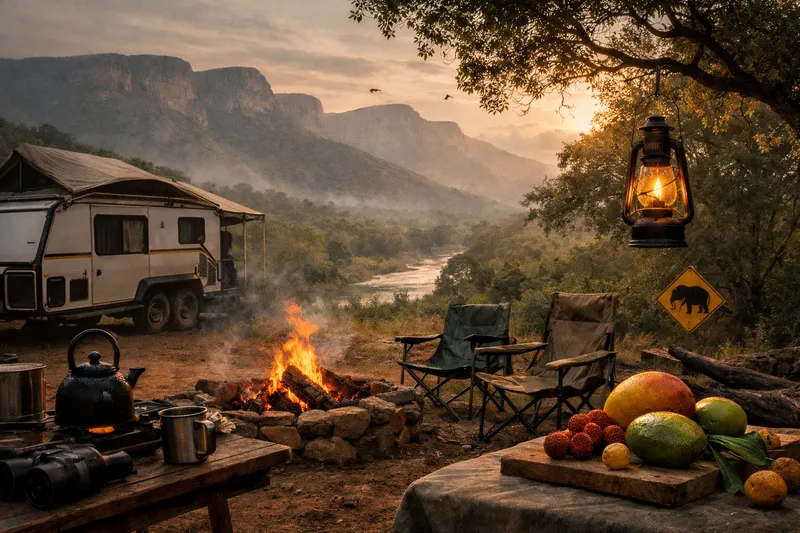
Swadini: Home Base, Not the Destination
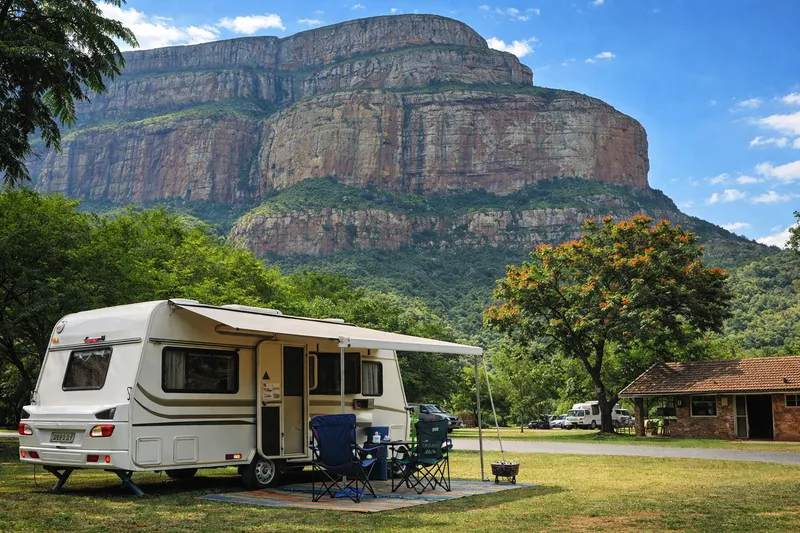
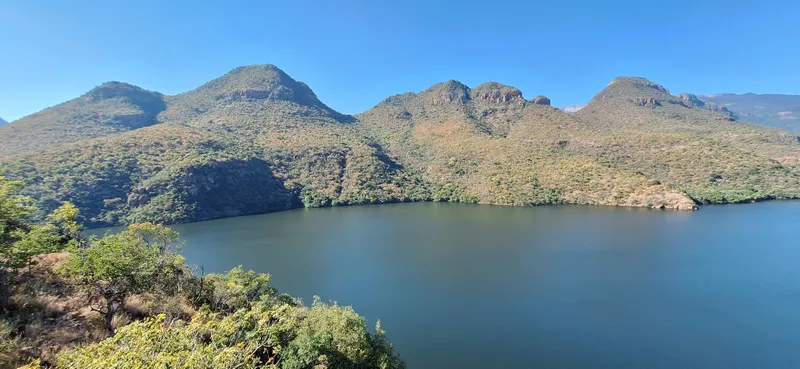
Our base for this extended camping journey will be Swadini, tucked into the foothills of the Drakensberg escarpment near Hoedspruit — a part of the Lowveld that knows January well.
This is traditionally the wettest month of the year, when rivers swell, waterfalls wake up, and the bush quietly reminds you that it still sets the rules.
Swadini will be home — but not the destination.
From there, we plan to roam. Slowly. Curiously. With just enough structure to know where we’re sleeping, and enough freedom to follow weather, light, and the occasional “let’s just see where this road goes” — or doesn’t, depending on whether teh past wees rain had other plans.
Where the Roads Might Lead
The regions and places we’ll be wandering through include:
Blyde River Canyon — dramatic cliffs, deep greens, and seasonal streams that wake the canyon up properly, just to remind you it was never meant to be admired in a hurry.
Three Rondavels and Bourke’s Luck Potholes — shaped patiently by water over a very long time, and still occasionally reminding visitors that water hasn’t finished having opinions.
Mariepskop — misty forests and high-altitude roads where views appear, disappear, and reappear entirely on their own schedule, regardless of how long you’ve been waiting.
Kruger National Park day trips — trading river sounds for game-drive gravel, although in summers like this even Kruger’s rivers don’t always stay politely where maps suggest they should.
And then the in-between places — back roads, waterfalls, picnic spots, and corners that don’t always make the brochures. Sometimes because they’re quiet. Sometimes because they only exist after rain.
And who knows what we’ll discover, or where we’ll end up, along the way.
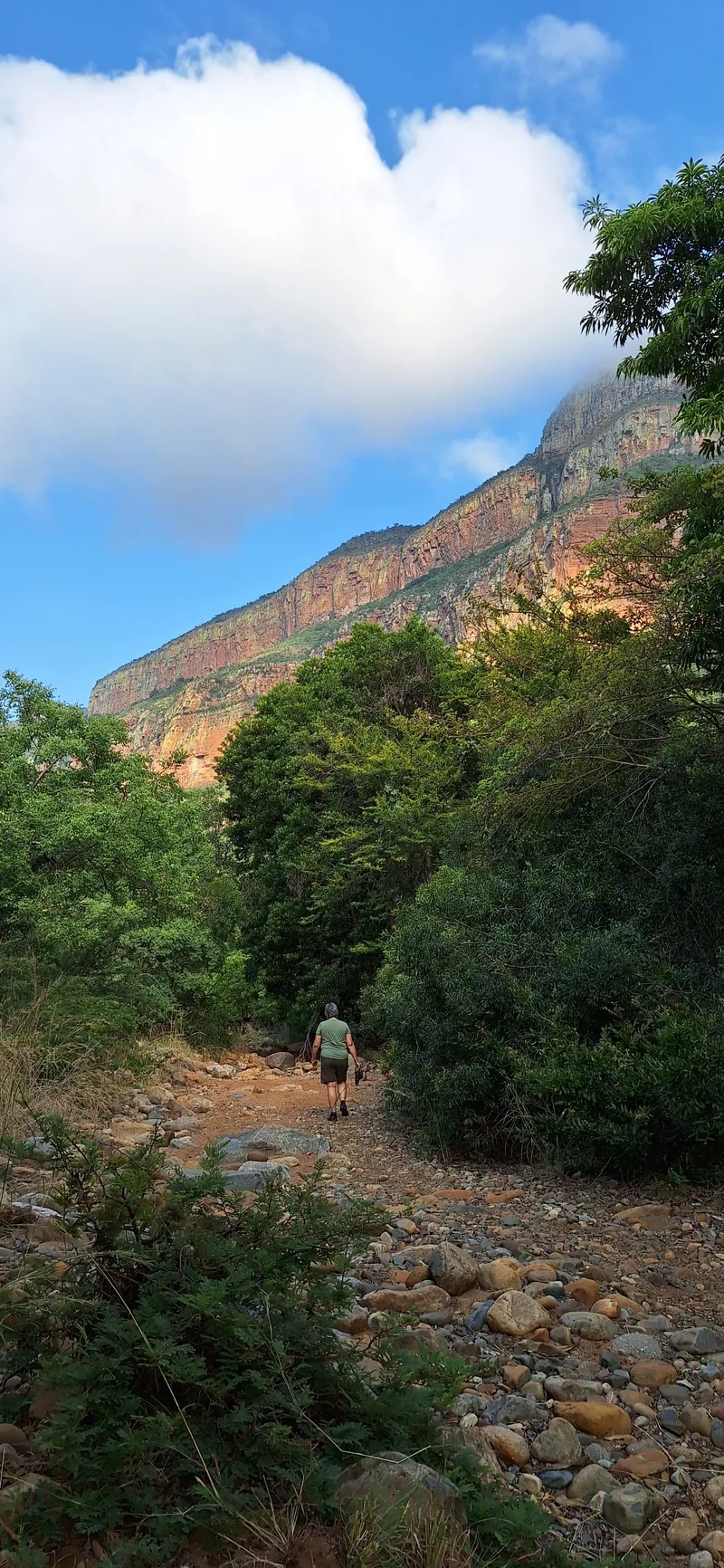
A Journey, Not a Checklist
This won’t be a rushed, tick-the-boxes kind of trip. It’s a camping journey — the kind where plans politely step aside for cloud build-up, afternoon thunderstorms, and whether the morning coffee is good enough to justify sitting a little longer.
Elzabé will, of course, insist it’s just one more Thing before we move. Experience says that can delay departure by anything from ten minutes to an entire morning.
Anyone who remembers the big Hoedspruit floods of 2012 knows how quickly this landscape can change. One proper storm and the dust gets ideas above its station. Roads rearrange themselves. Rivers make a point.
We’re not chasing extremes. We’re travelling with respect — for a season that’s always demanded it, and for the quiet spaces that feel a little different these days, with Shilo no longer padding ahead to inspect every campsite first.
Still, the rhythm remains. Slow mornings. Watchful skies. And the understanding that some journeys aren’t about getting there — they’re about noticing what’s changed, and what hasn’t.
Summer Also Tastes Like This
This part of the Lowveld isn’t only famous for wildlife — summer is fruit season, and Hoedspruit takes it seriously.
By January, mangoes arrive in numbers. Roadside bakkies appear as if summoned by heat and rain. Farm stalls get louder, stickier, and more negotiable. Mango juice becomes a lifestyle choice, and eating fruit over the sink is suddenly acceptable behavior.
Then, just when you think the season has peaked, the maroelas arrive.
From February into March, marula trees begin dropping their fruit — green at first, then yellow, fragrant, and impossible to ignore. This is when the bush gets festive. Elephants lose their composure. Baboons conduct quality control. Birds join in. Humans pretend they’re “just tasting one.”
Maroelas don’t ripen politely. They wait until the sugar is right, fall when they’re ready, and turn the bush into a place where everyone agrees the rules can be relaxed a little.
It’s the same rain that fills rivers and wakes waterfalls that also ripens fruit — reminding you that this landscape doesn’t only feed cameras and binoculars.
It feeds everyone.
If you arrive slightly sticky, faintly amused, and wondering how fruit season ever ends — congratulations. You’re doing summer in the Lowveld correctly.
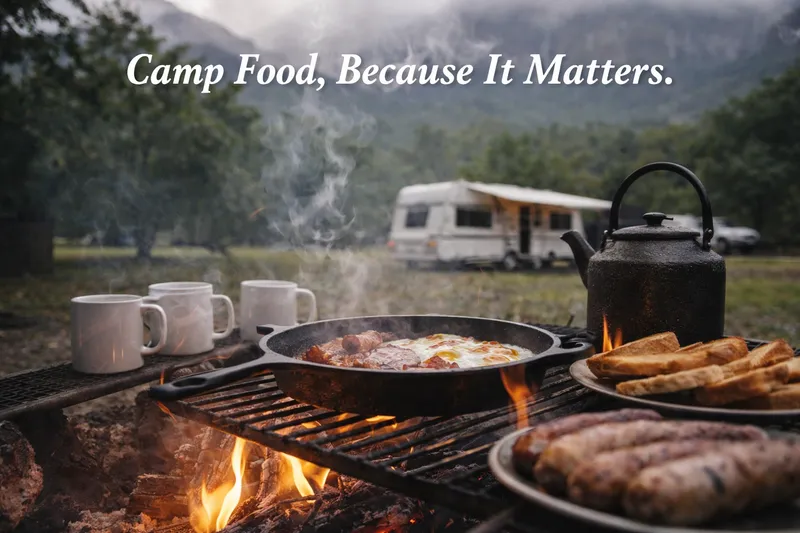
Camp Food, Because It Matters
And yes… we’ll be talking about camp food too.
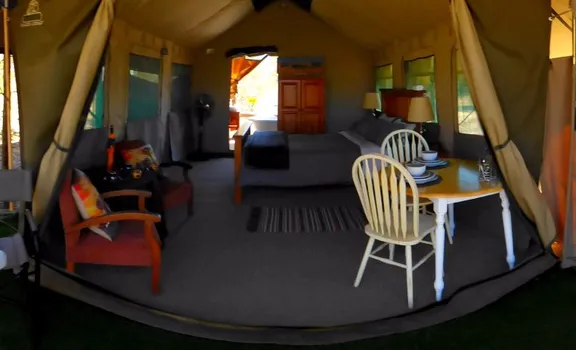
Because no camping journey is complete without meals that somehow taste better outdoors — especially when rain drums on canvas, mist hangs low, and everything smells faintly of wet earth, woodsmoke, and last night’s fire.
Along the way, we’ll be sharing stories (and a few hard-earned ideas) around:
Simple camp breakfasts meant to be quick, but quietly stretching into mid-morning — because there’s nowhere else to be and the kettle keeps getting refilled.
One-pan dinners and fireside favorites that work whether the ground is dry, soaked, or pretending it isn’t either.
Braais that start as a plan and end as a conversation, long after the fire has softened and someone says, “Just one more piece.”
Rainy-day comfort food, mountain-style — the kind you didn’t plan for, but needed.
And the quiet joy of leftovers turned into next-day magic, eaten under a clearing sky while pretending it was intentional.
But above all, there’s morning coffee.
That first cup, made while Elzabé is still sleeping. The sun just lifting, the kettle murmuring, the bush clearing its throat for the day. Strong, slightly over-brewed, stirred slowly while standing in yesterday’s shoes, watching light find its way through the trees. No rush. No noise. Just coffee, warmth, and wishful thinking that the smell of great coffee will wake Elzabe
Nothing fancy. Nothing staged.
Just honest, practical camp food — cooked slowly, eaten outside, and usually followed by,“We should make this again… maybe.”
What to Expect While We’re Away
We’ll be sharing weekly blog posts — not guides, not reviews, but stories.
Stories told at a slower pace, because rushing stopped being the point a long time ago.
Camping where the bush suddenly turns vertical, and horizons are replaced by cliffs, forests, and silence that feels earned.
Trading lion calls for river sounds, frogs, and rain on canvas — not because one is better than the other, but because different seasons of life call for different kinds of wild.
Landscapes shaped by summer storms and past damage, yet softened by waterfalls, green regrowth, and that quiet reminder that nature doesn’t panic — it recovers.
Fruit season in full swing: mangoes, litchis, marulas — falling whether it’s a weekend, a public holiday, or just another Tuesday. The bush, after all, doesn’t check calendars.
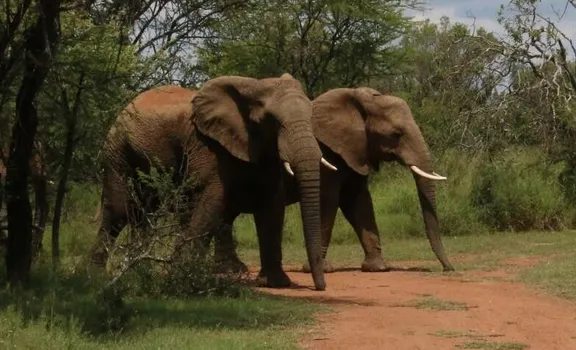
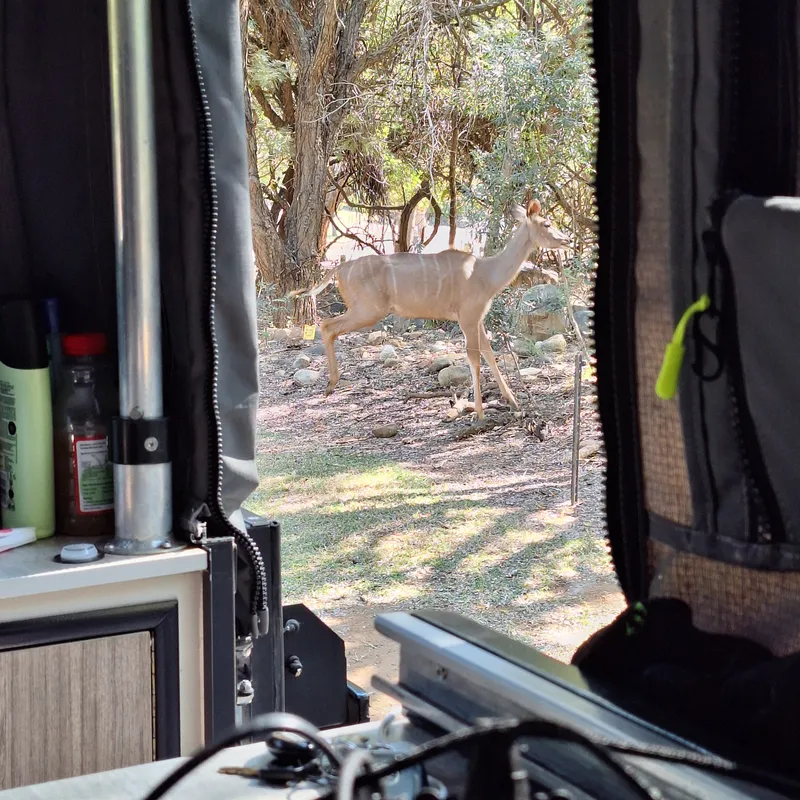
Misty mountains one day, elephant tracks the next — because when you have the time to linger, the wild starts revealing its smaller stories.
Meals cooked on gas, fire, or whatever works that day, eaten slowly, sometimes early, sometimes late, often under a headlamp — because pensioner camping isn’t about schedules, it’s about settling in.
And reflections on why wild doesn’t always need danger to feel real. Sometimes it just needs time, patience, and a chair placed in the right patch of shade.
We write these stories because we’re pensioners ourselves.
We camp. We travel. We understand that this stage of life isn’t about ticking boxes — it’s about staying connected to the world in a way that still feels honest.
Some posts will be about places.
Others about moments.
Most will probably begin with:
“So we weren’t planning on stopping here, but…”
And Thorn Tree Bush Camp?
And Thorn Tree Bush Camp?
Still open. Still very much alive.
Magda and the team will be holding the rhythm at Thorn Tree Bush Camp through the summer — fires lit, kettles ready, and the bush left to do what it does best: move at its own pace, welcome without fuss, and keep a quiet eye on things.
These journeys have always shaped what we bring back with us. Not big ideas, but better ones. A fresh way of looking. And the gentle reminder that the best moments usually happen somewhere between a folding chair, a good view, and a pot doing its slow, honest work on the fire.
We’ll be back soon — a little dustier, a little wetter, maps marked and notebooks full, with a few new camp recipes that have earned their place.
Wild roads ahead.
Same firelight stories.